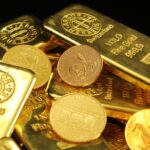
Glocester residents looking to sell silver have several options worth considering, from local dealers in nearby towns to regional precious metals buyers throughout Rhode Island. Whether you have inherited silverware, old coins, or bullion you have been holding onto, understanding where to sell and what to expect can help you get a fair price for your items.
Why Glocester Residents Are Selling Silver Right Now
The precious metals market has seen significant activity over the past few years, and many Rhode Islanders are taking advantage of current conditions to liquidate silver they no longer need. In a rural community like Glocester, residents often discover silver items during estate cleanouts, barn cleanings, or when downsizing from older family properties along routes like Putnam Pike or in areas near Chepachet Village.
Common reasons Glocester sellers bring silver to market include settling estates from family members, consolidating collections that have grown over decades, or simply converting physical assets into cash for other financial priorities. The town’s historic character means many households contain silver pieces that have been passed down through generations, from flatware sets to commemorative coins purchased at local banks years ago.
Types of Silver You Can Sell in Glocester
Before visiting a buyer, it helps to understand what types of silver hold value and how dealers typically evaluate different items.
Sterling Silver and Flatware
Sterling silver flatware, tea sets, and decorative items are commonly sold by Glocester residents. Sterling contains 92.5% pure silver and is marked with stamps like “925” or “Sterling.” Many families in the Chepachet area and throughout western Rhode Island have inherited silver sets that rarely get used. These items are valued based on their weight and silver content, though some pieces may carry additional value if they come from sought-after manufacturers.
Silver Coins and Currency
Pre-1965 American dimes, quarters, and half dollars contain 90% silver and are frequently sold by collectors and non-collectors alike. Morgan and Peace dollars remain popular with buyers, as do silver Eagles and other bullion coins. If you have a coin collection from a relative or coins you have accumulated over the years, most dealers will evaluate them based on silver content, condition, and any numismatic premium they might carry.
Silver Bullion Bars and Rounds
Bullion products like silver bars and rounds trade closest to the metal’s market value. These items are straightforward to sell since their value is tied directly to weight and purity. Glocester residents who purchased bullion as an investment typically find a ready market when they decide to sell.
Scrap Silver and Miscellaneous Items
Broken jewelry, single earrings, dental silver, and other miscellaneous silver items can all be sold for their metal content. Even damaged pieces have value based on their silver weight.
Rhode Island Tax Laws for Selling Silver
Understanding the tax implications of selling precious metals in Rhode Island helps you plan your transaction and avoid surprises.
Sales Tax Exemption on Precious Metals
Rhode Island exempts precious metals and coins from state sales tax when the transaction exceeds $1,000. This exemption applies to both buying and selling, making Rhode Island relatively favorable for precious metals transactions compared to some neighboring states. For sales under $1,000, standard state sales tax may apply depending on the specific nature of the transaction and the dealer’s classification of the items.
Capital Gains Considerations
When you sell silver for more than you paid for it, the profit may be subject to federal capital gains tax. Silver and other precious metals are classified as collectibles by the IRS, which means long-term gains can be taxed at rates up to 28%, higher than the rates applied to stocks and bonds. Keeping records of your original purchase price helps you accurately calculate any gains. Rhode Island taxes capital gains as ordinary income at the state level, with rates ranging from 3.75% to 5.99% depending on your total income.
Reporting Requirements
Certain silver sales trigger IRS reporting requirements for dealers. Sales of 1,000 ounces or more of silver bars or rounds, or sales of pre-1965 US coins with a face value of $1,000 or more, require dealers to file Form 1099-B. This does not create additional tax liability but does mean the IRS receives notification of the transaction.
Where to Sell Silver Near Glocester, Rhode Island
Glocester’s location in northwestern Rhode Island means residents typically travel to nearby towns or the Providence area to find silver buyers. Here are established businesses that purchase silver from local sellers.
Gold and Silver Buying Company – Warwick
Located in Warwick, this buyer serves customers from throughout Rhode Island including the Glocester area. They purchase all forms of silver including coins, bullion, flatware, and jewelry. The drive down Route 44 to Route 95 takes approximately 30 to 35 minutes from Chepachet.
New England Coin Exchange – Warwick
This established coin dealer purchases silver coins, bullion, and precious metals from sellers across Rhode Island. They offer evaluations and competitive pricing on numismatic items as well as bullion products. Sellers from Glocester often combine a trip here with other errands in the Warwick area.
Rhode Island Coin Exchange – Providence
Serving the Providence metropolitan area, this dealer buys silver coins, bars, and other precious metals. Their location makes them accessible from Glocester via Route 44 East. They have experience with both small individual sales and larger collection liquidations.
Estate Buyers of Rhode Island – Cranston
This buyer handles estate sales and individual transactions, purchasing silver flatware, jewelry, and coins. They serve customers from rural communities throughout the state, including those in the Burrillville, Foster, and Glocester areas.
Precious Metals Buyers – Johnston
Located between Glocester and Providence, this buyer offers convenient access for residents of northwestern Rhode Island. They purchase silver in various forms and can accommodate both walk-in and appointment-based transactions.
Local Pawn Shops and Jewelers
Several pawn shops and jewelry stores in the Woonsocket and North Smithfield areas also purchase silver. While they may offer less than specialized precious metals dealers, they provide options for smaller transactions or situations where convenience matters more than maximizing price.
How Silver Prices Are Determined
Understanding how buyers calculate their offers helps you evaluate whether a quote is fair.
The Spot Price Baseline
Silver dealers base their offers on the current spot price, which fluctuates throughout each trading day. This price represents the current market rate for one troy ounce of pure silver. Dealers then apply a percentage below spot to cover their business costs and profit margin.
Typical Dealer Premiums and Discounts
When selling silver bullion, expect offers ranging from 85% to 95% of the spot price depending on the item type and quantity. Silver coins might fetch slightly different percentages based on their condition and collectibility. Sterling silver items typically sell for 70% to 90% of their calculated melt value, with the range depending on the buyer and the items’ condition.
Factors That Affect Your Offer
Quantity matters in precious metals transactions. Selling larger amounts often results in better percentage offers since the dealer’s per-transaction costs spread across more ounces. Item condition, recognizability of the product, and current market conditions all influence the final offer as well.
Tips for Glocester Residents Selling Silver
A few practical steps can help you get better results when selling your silver.
Get Multiple Quotes
Prices vary between buyers, sometimes significantly. Before committing to a sale, consider getting quotes from at least two or three different buyers. The drive from Glocester to dealers in Warwick, Providence, or Johnston is not far, and comparing offers can reveal meaningful differences.
Know What You Have
Sorting your silver by type before visiting a dealer speeds up the evaluation process and helps you understand each offer. Separate sterling flatware from plated items, organize coins by type, and weigh bullion pieces if you have a scale. This preparation also helps you identify if a buyer’s assessment seems off.
Check Current Prices
Looking up the current silver spot price before your appointment gives you a baseline for evaluating offers. Many financial websites display live precious metals prices throughout the trading day.
Bring Proper Identification
Rhode Island dealers are required to collect identification from sellers and maintain records of precious metals purchases. Bring a valid driver’s license or state ID to your appointment.
Consider Timing
If you have flexibility on when to sell, watching the market for a period can help you sell during stronger price conditions. However, attempting to perfectly time the market rarely works out, and selling when you need the funds usually makes more sense than waiting for a specific price target.
Selling Silver vs. Gold in Rhode Island
Many Glocester residents have both silver and gold items to sell and wonder how the processes compare.
Gold transactions tend to be more straightforward since gold’s higher value per ounce means smaller, easier-to-handle quantities. Silver’s lower price per ounce means larger volumes are needed to reach the same dollar amounts, which can affect logistics and the percentages dealers offer.
Both metals qualify for the Rhode Island sales tax exemption on transactions over $1,000, and both face similar capital gains treatment at the federal level. The main practical differences come down to value density and the slightly different dealer networks that specialize in each metal.
Frequently Asked Questions About Selling Silver in Glocester
Do I need to travel to Providence to sell silver, or are there closer options?
While Providence has several buyers, Glocester residents can find dealers in closer locations like Warwick, Johnston, and Cranston. The shops along Route 95 in Warwick are often the most convenient option, cutting your drive time compared to going into downtown Providence. Some dealers in the Woonsocket and North Smithfield areas also purchase silver, providing northern options for residents near the Pascoag or Harmony areas of Glocester.
How do I know if my silverware is sterling or silver-plated?
Check for stamps on the back of handles or the bottom of pieces. Sterling silver is marked “Sterling,” “925,” or “Ster.” Silver-plated items are often marked “EPNS” (electroplated nickel silver), “Silver Plate,” or “Quadruple Plate.” Plated items have minimal metal value since only a thin layer of silver coats a base metal core. If you are unsure, any reputable buyer can quickly test your items.
What documentation should I bring when selling silver in Rhode Island?
Bring a valid government-issued photo ID such as a driver’s license. Rhode Island law requires dealers to record seller information for precious metals transactions. If you have any documentation of your silver’s origin or purchase price, bringing that can help with your tax records, though it is not required for the sale itself.
Are there any silver buyers that make house calls to Glocester?
Some estate buyers and precious metals companies will travel to sellers with large collections or estate situations. This service is typically reserved for substantial quantities since the dealer incurs travel time and costs. For smaller amounts, traveling to a dealer location in Warwick or Providence usually makes more sense for both parties.
How does selling inherited silver work for tax purposes?
When you inherit silver, your cost basis is generally “stepped up” to the fair market value at the time of inheritance. This means if you sell relatively soon after inheriting, you may owe little or no capital gains tax. The estate itself may have already addressed any estate tax implications. Consulting with a tax professional can clarify your specific situation.
Is it better to sell silver coins to a coin dealer or a precious metals buyer?
For common silver coins valued primarily for their metal content, either type of buyer works well. However, if you have rare coins, key dates, or pieces in exceptional condition, a coin dealer may recognize and pay for numismatic value that a pure precious metals buyer might overlook. When in doubt, getting quotes from both types of buyers helps ensure you receive fair value for everything in your collection.
Ready to Sell Your Silver in Glocester, RI?
Selling silver in Glocester comes down to understanding what you have, knowing the current market, and finding reputable buyers who offer fair prices. The dealers serving northwestern Rhode Island provide multiple options whether you are selling a small handful of coins or liquidating a substantial collection.
Take time to sort your items, research current prices, and get quotes from more than one buyer. Residents throughout Glocester, from the Chepachet Village area to neighborhoods near Pulaski State Park and the Burrillville border, have access to established buyers within a reasonable drive. With proper preparation and realistic expectations, you can convert your silver into cash while ensuring you receive competitive value for your items.

Joe Meinen is the founder of LocalGoldSilver.com, a resource helping people across the United States find reputable local buyers for their gold, silver, and precious metals. With a background in digital marketing and local business research, he specializes in providing accurate, location-specific guidance for sellers in every state.
Joe has spent extensive time researching gold and silver buyers throughout the country, compiling information on local dealers, state tax laws, and pricing factors to help sellers get the best value for their items. He currently resides in Rhode Island.